National Park Hopper – Animal I Spy Edition
H and I love animals. So much of our time was spent searching for different wild critters on our daily adventures – here are the fruits of our labor! In addition, please enjoy the set of poems we have created in homage to my ingenuity as a first grader.
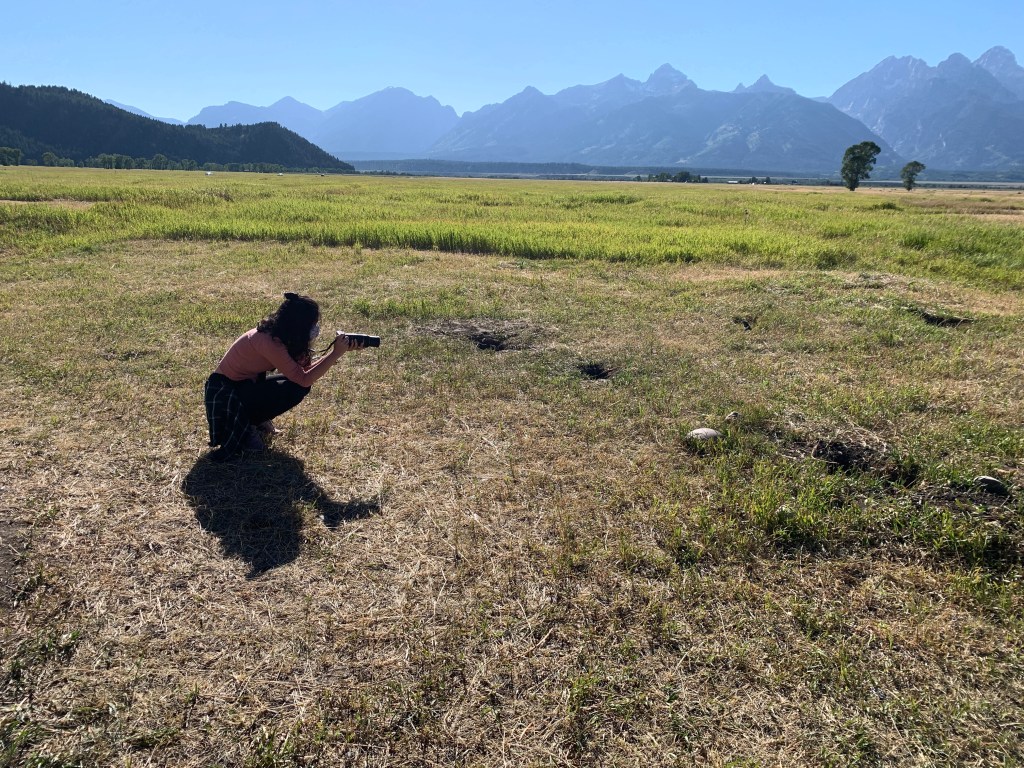
I was on lookout duty and spotted a majority of these animals, but H is the one who went in to do the hard work of carrying the long lens, learning to focus a super heavy camera quickly, and getting down and dirty to capture these animals in their best angles. National Geographic wildlife photography, here we come!

One of our first new species sightings – a marmot! Excitement ensues – better pictures to follow in our subsequent sightings, but there’s nothing quite like the first.
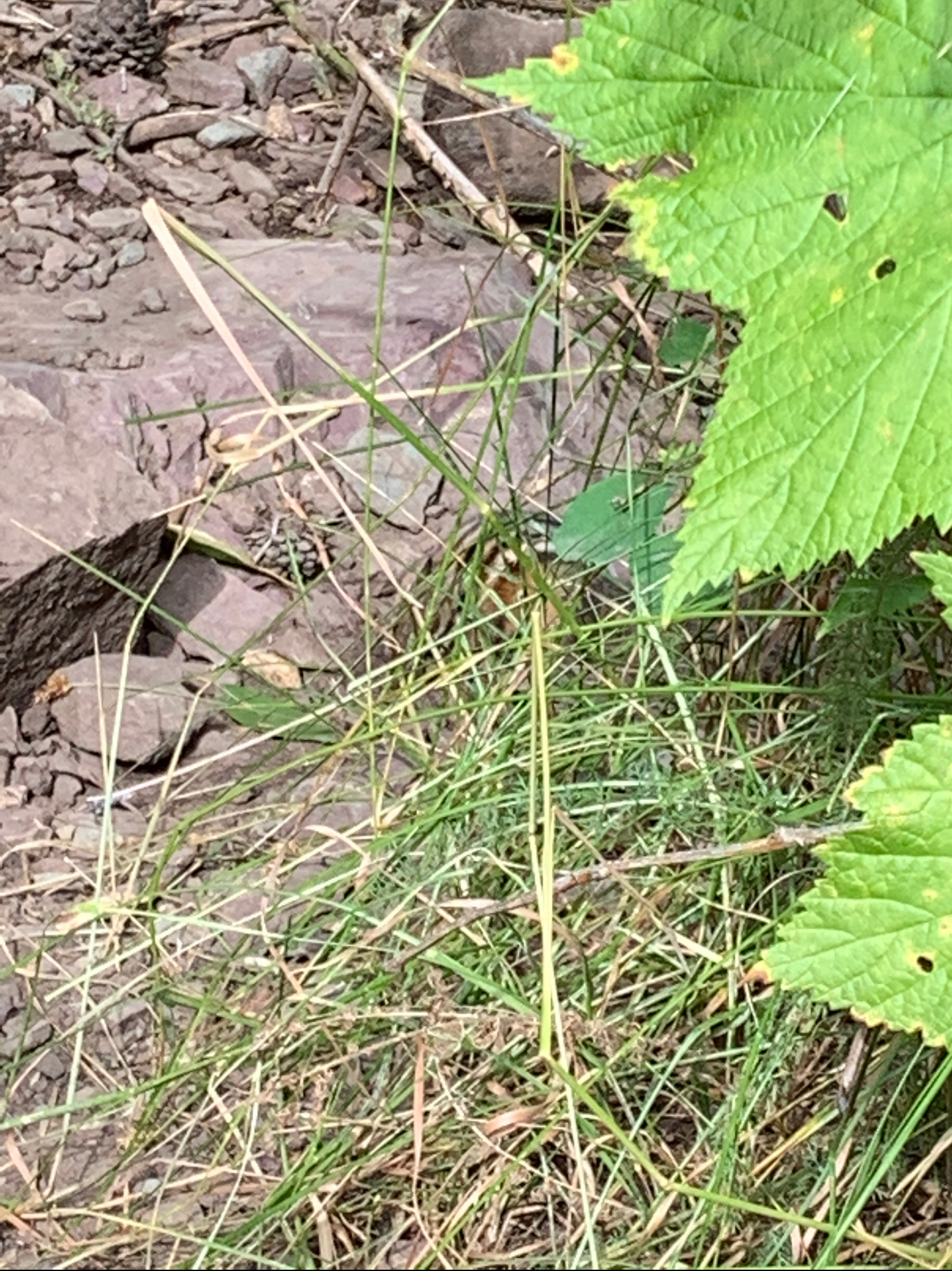
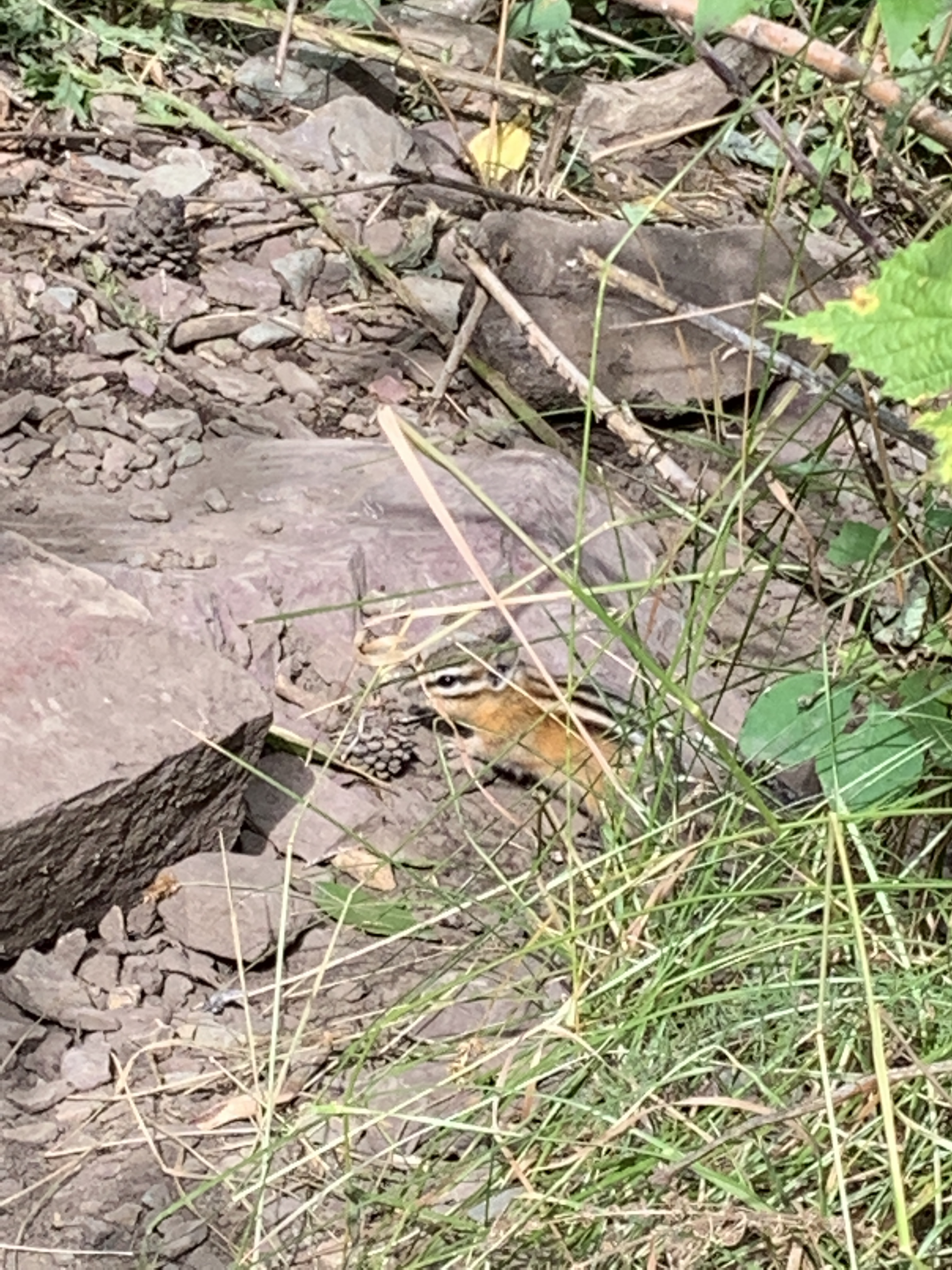

Animal Watching Tip 1: Be very aware of your surroundings – sight, sound, smells, etc. Use what you know about an animal’s habitat and habits to make inferences about the places you’ll find them (eg, I squatted down beside some wild blackberry bushes and found rabbits! – literally like in Peter Rabbit). When you hear rustling, stop and wait. Animals are super alert creatures and often will not come out until their surroundings are still. I had to wait for a few minutes after hearing some movement before this tiny little chipmunk came out of the bushes to eat a nut in the clearing. So precious and so worth the wait!
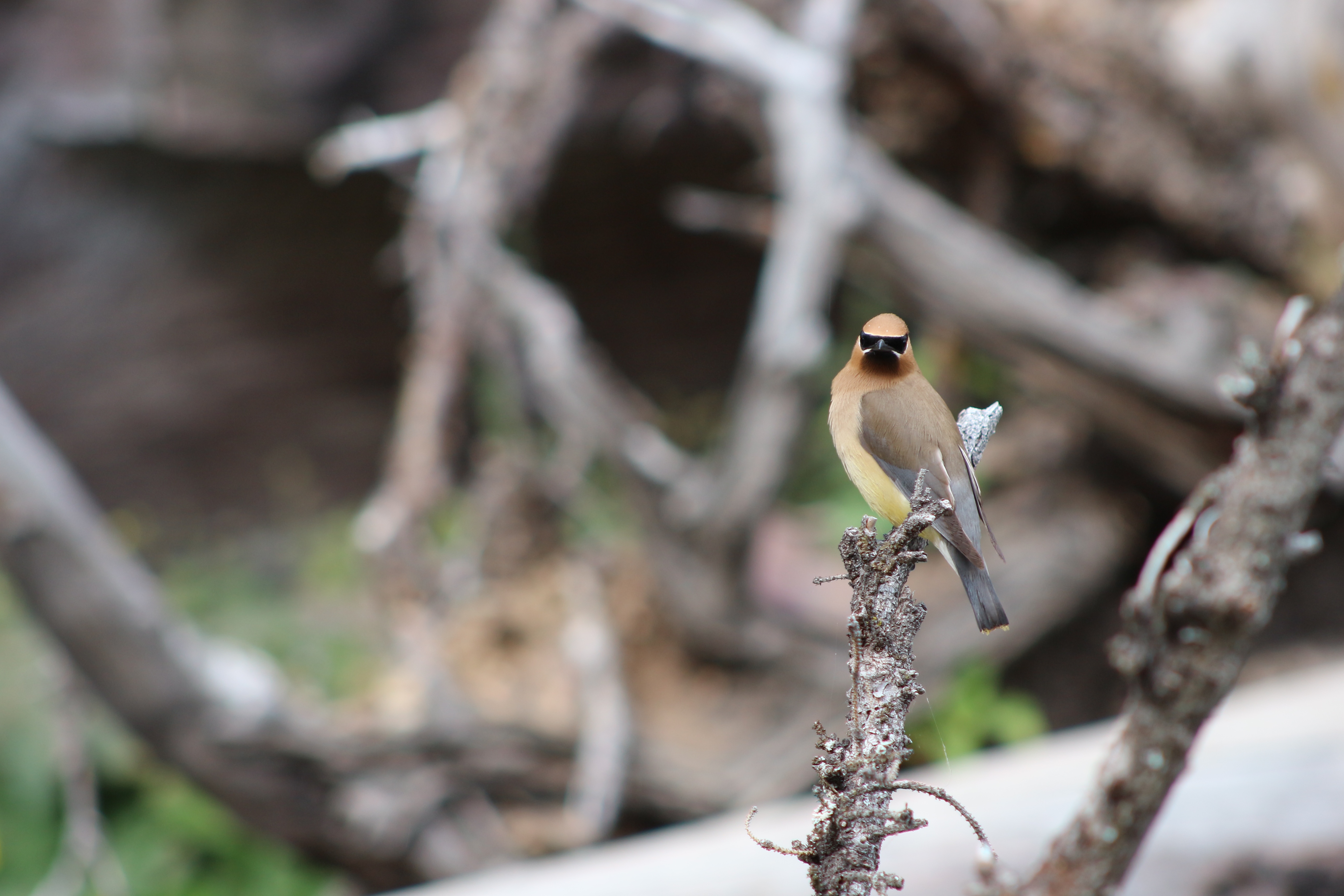
Are you a bird person? I most definitely am, but as I get older, I realize that many people dislike birds, to my dismay. But look at this beauty! After hunting through a list of birds in the Glacier National Park, I have identified this to be a Cedar Waxwing (not to be confused with the Blackman’s Warbler, whose eggs are more speckled haha).
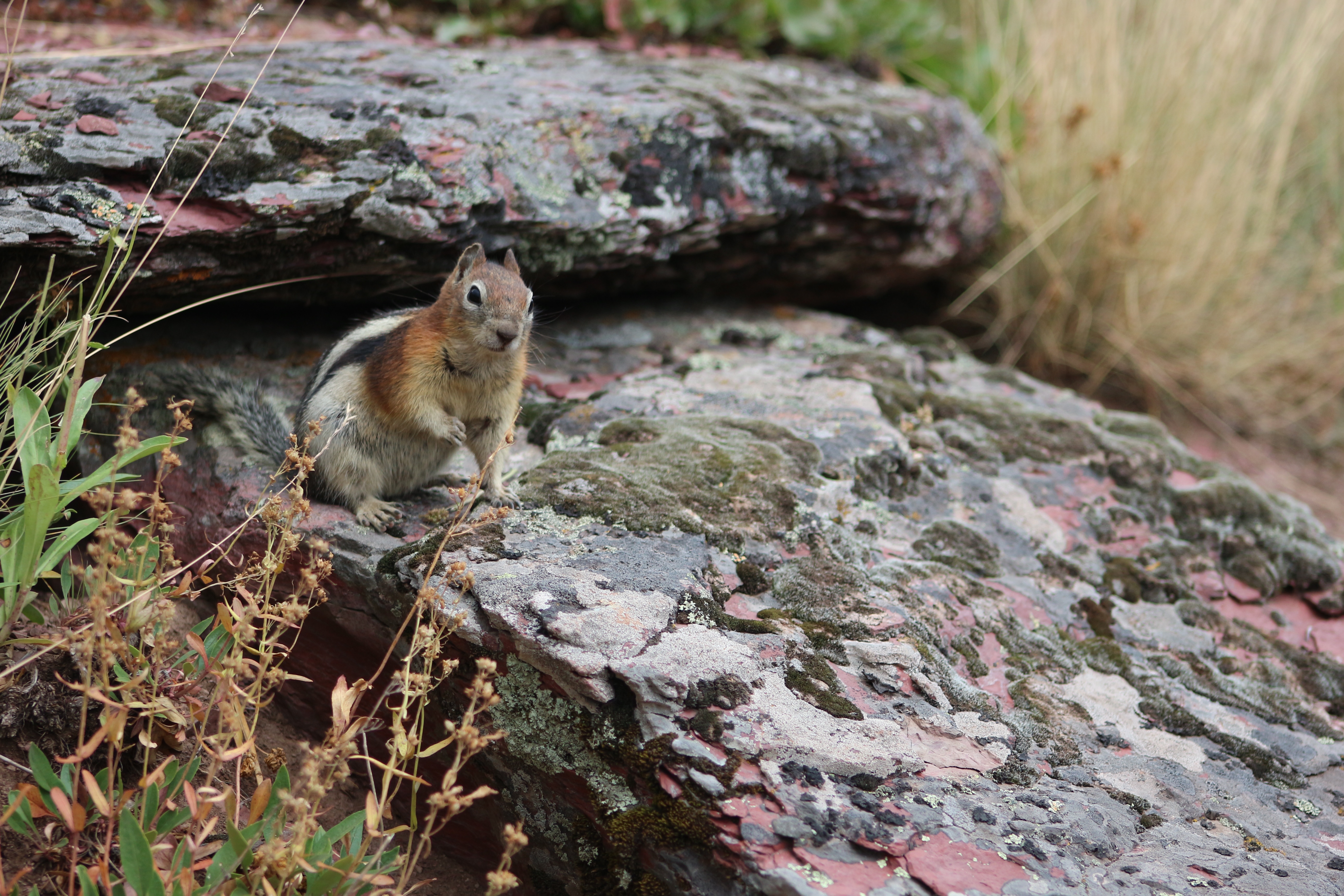
Written as a six year old in first grade:
Chipmunk chipmunk just like that,
Hopped into a pudding vat.
Chipmunk chipmunk take a bow,
You’re a chocolate chipmunk now!

probably one of my favorite captures of this trip – a marmot desperately wanting to become a bird
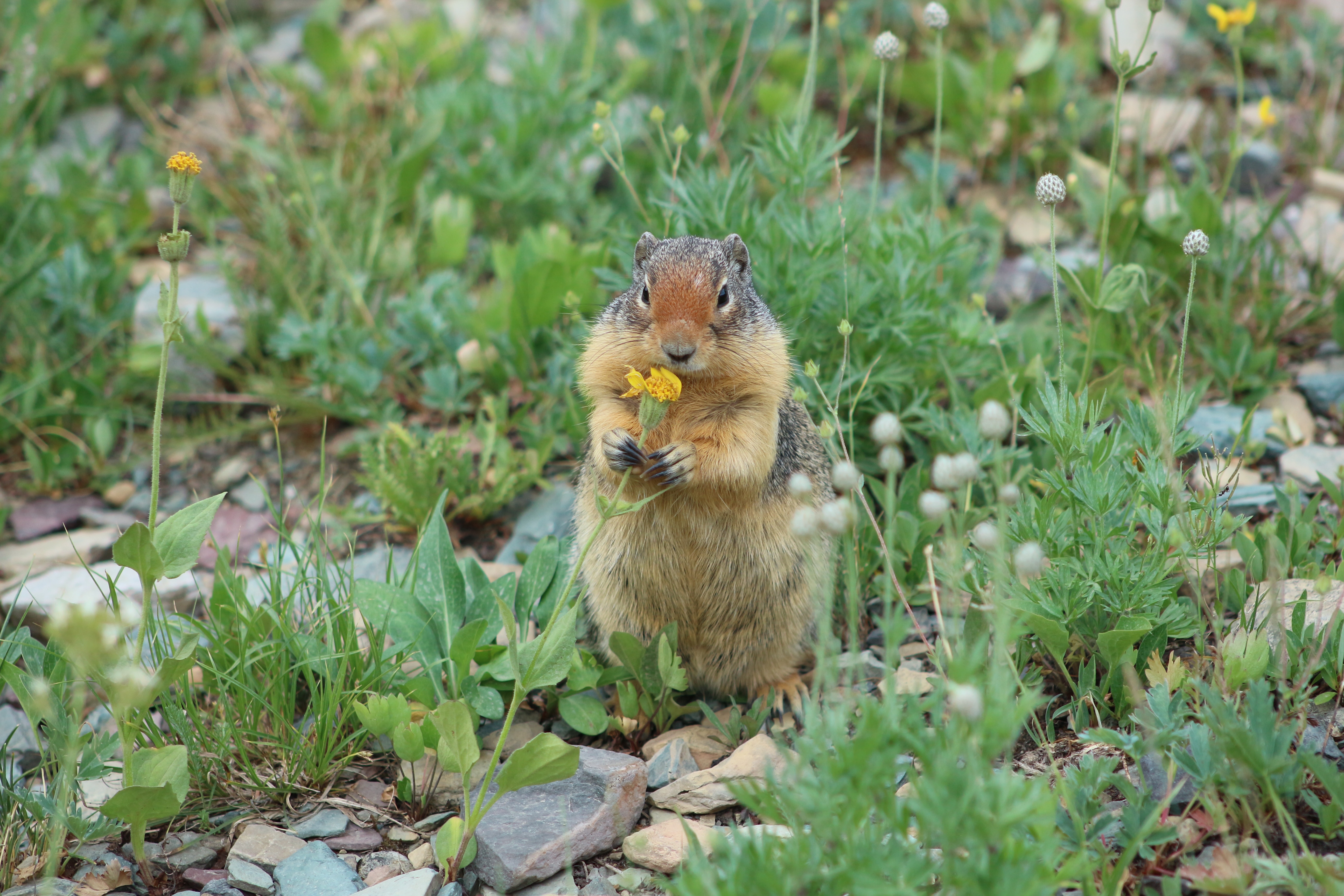

Marmot, marmot, eating flowers,
Trying to gain more nibbling power.
Marmot, marmot, chew on and on,
Going to win a food marmot-thon
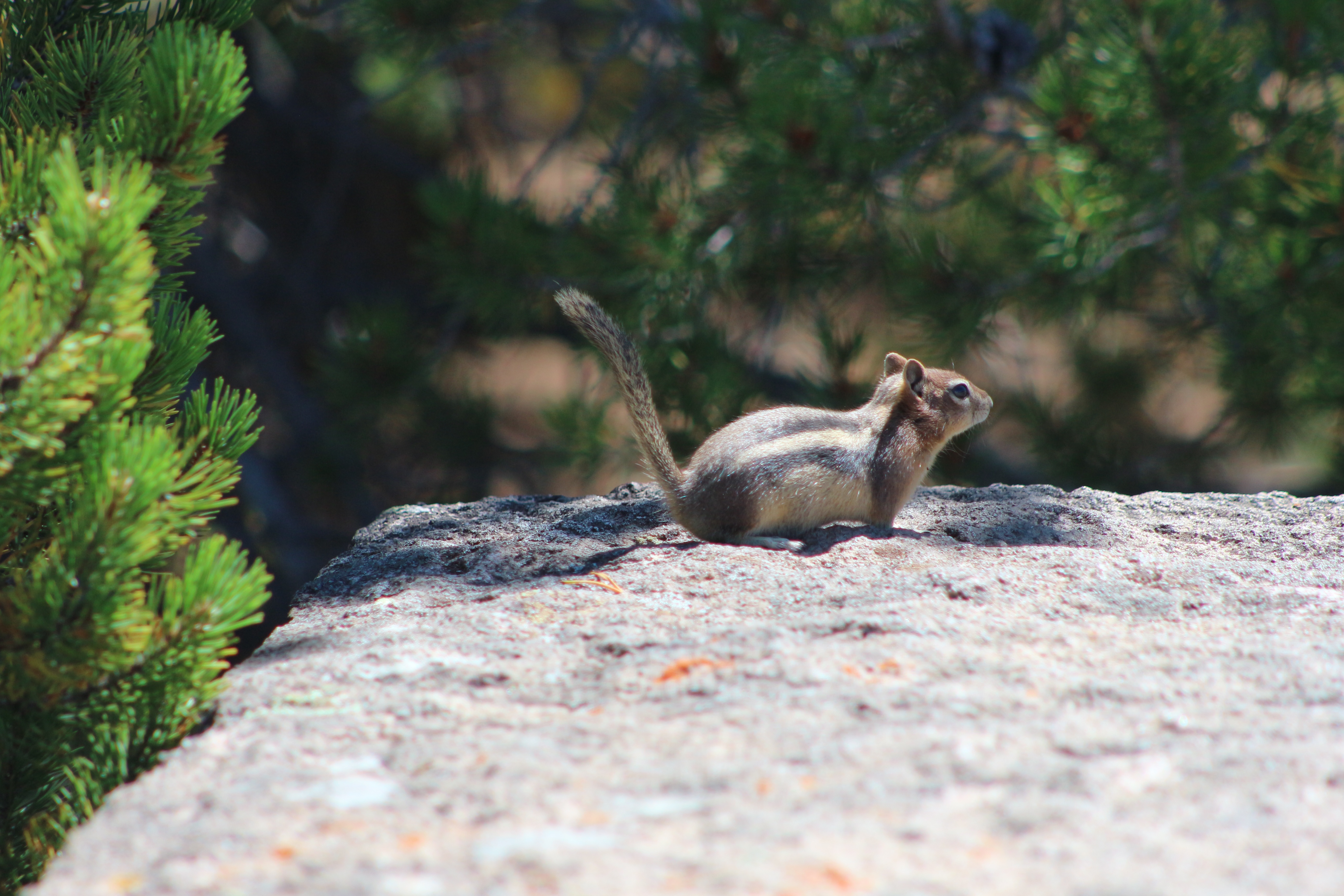
We saw so many chipmunks, but I don’t think you can tire of how cute they are. We feel the same way about squirrels at home. We saw a mama with its babies and the little ones were so inquisitive – one even hopped onto my shoe!
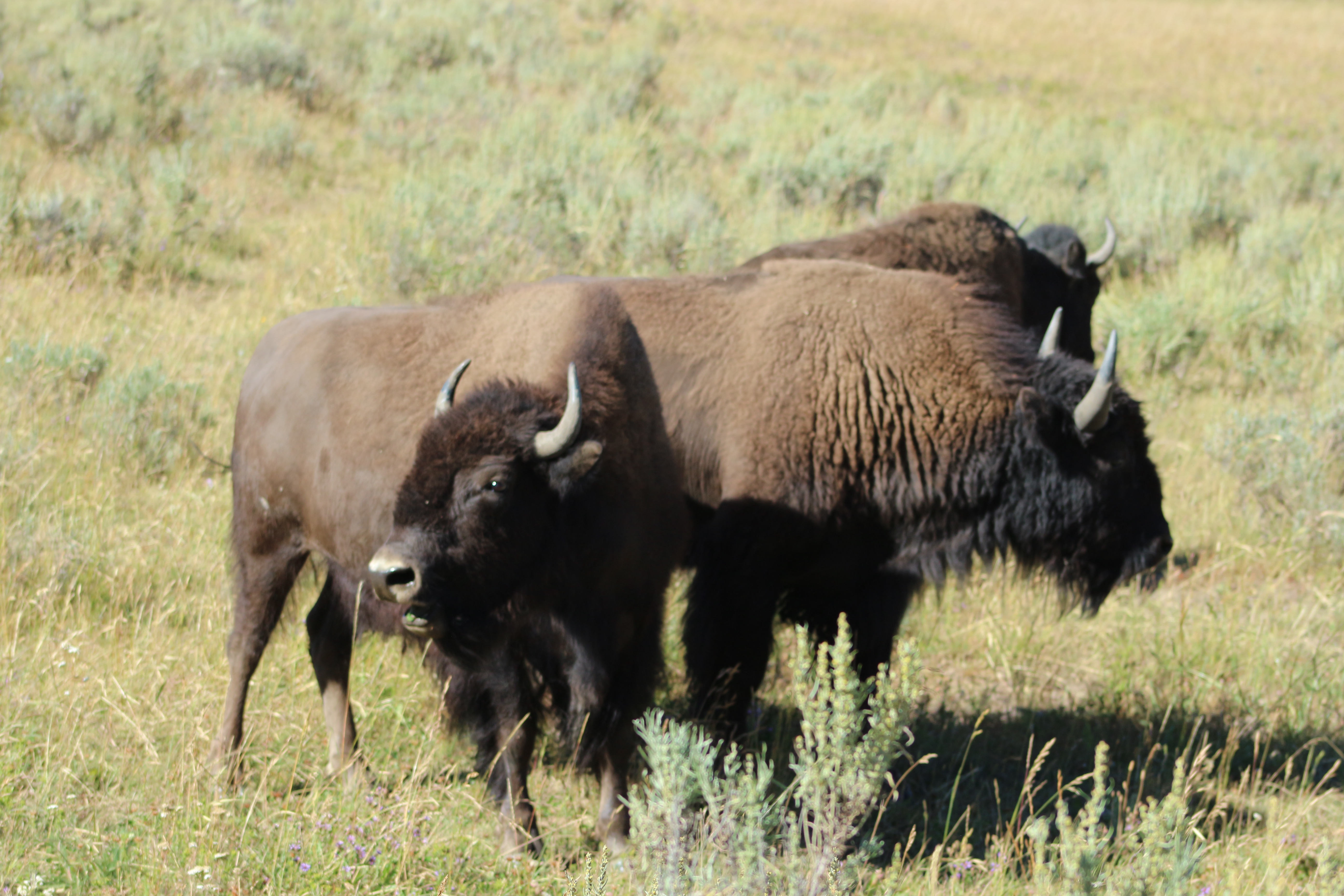
Bison bison, all grown up,
Time has flown, You’re no longer a pup!
Bison bison, I’m proud of all you’ve done,
Time to move on and say goodbye son.
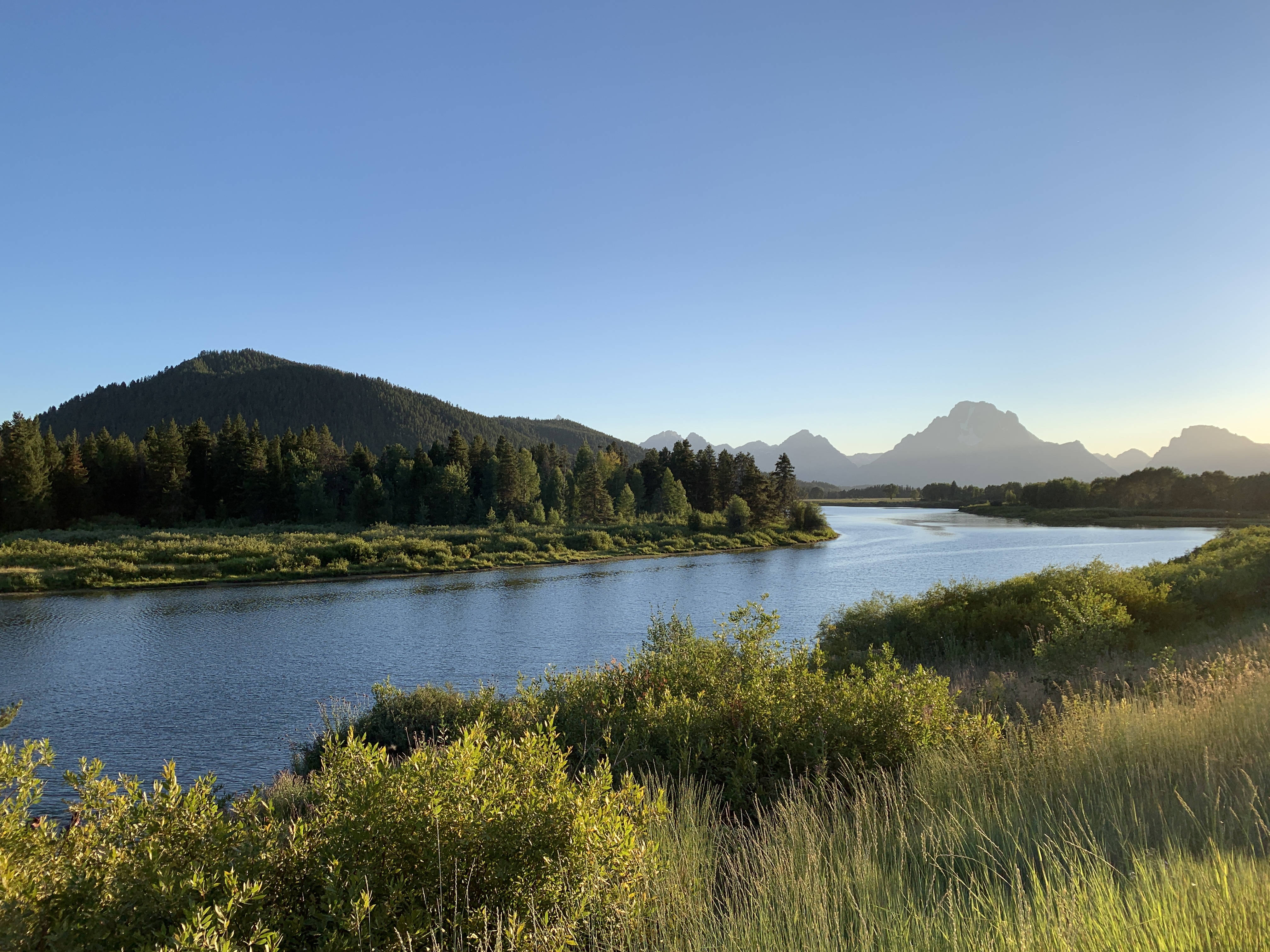
Tip 2 – when you see people looking somewhere, stop and ask what they’re looking at! We did just that multiple times on our trip and were gifted with knowledge of where to see a huge elk, a female moose, and a beaver swimmingly happily during golden hour at Oxbend in the Grand Tetons.
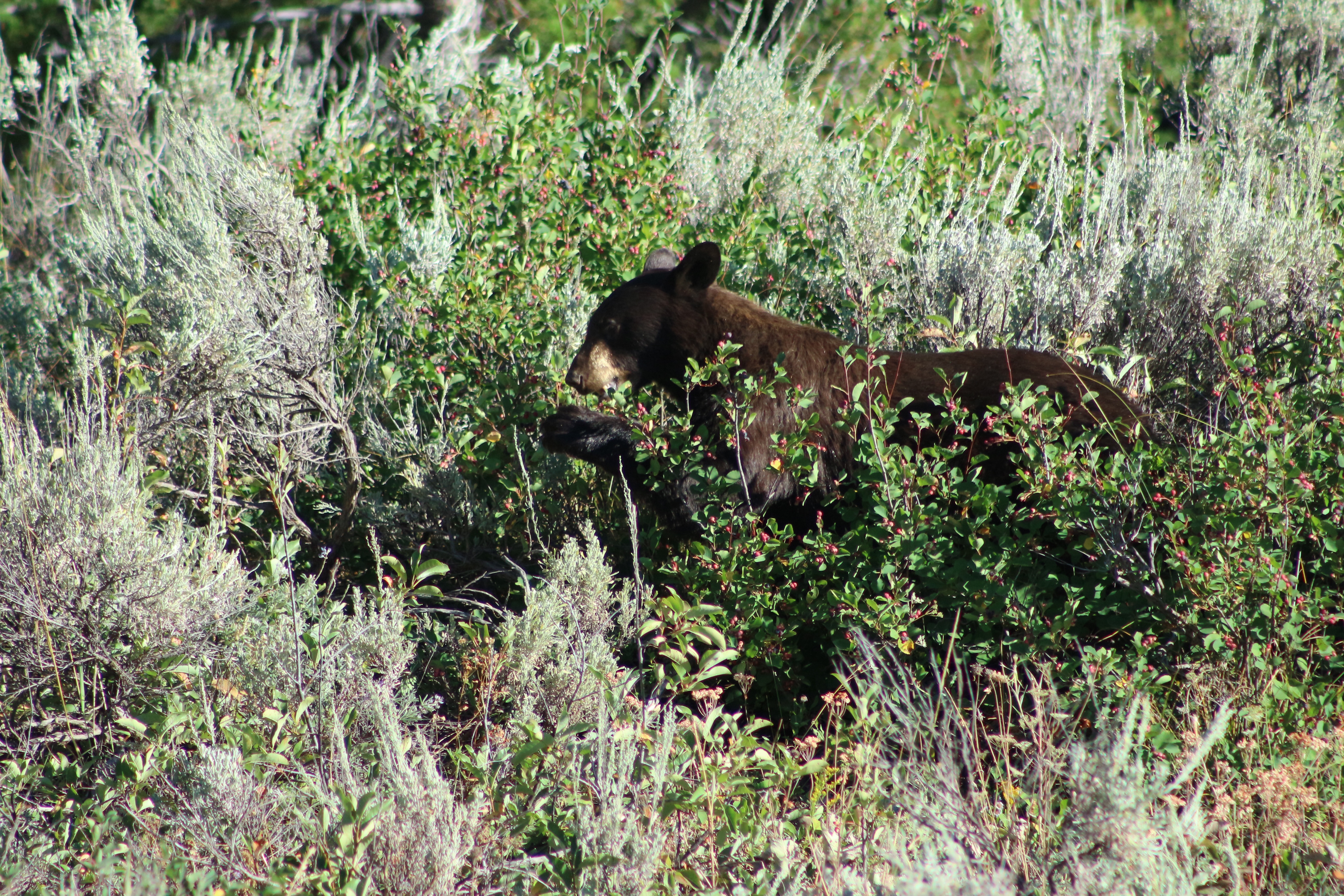
Black bear, black bear, naught to do
How about a little something new?
Black bear, black bear give it a try
Why don’t you bake a good blackberry pie?
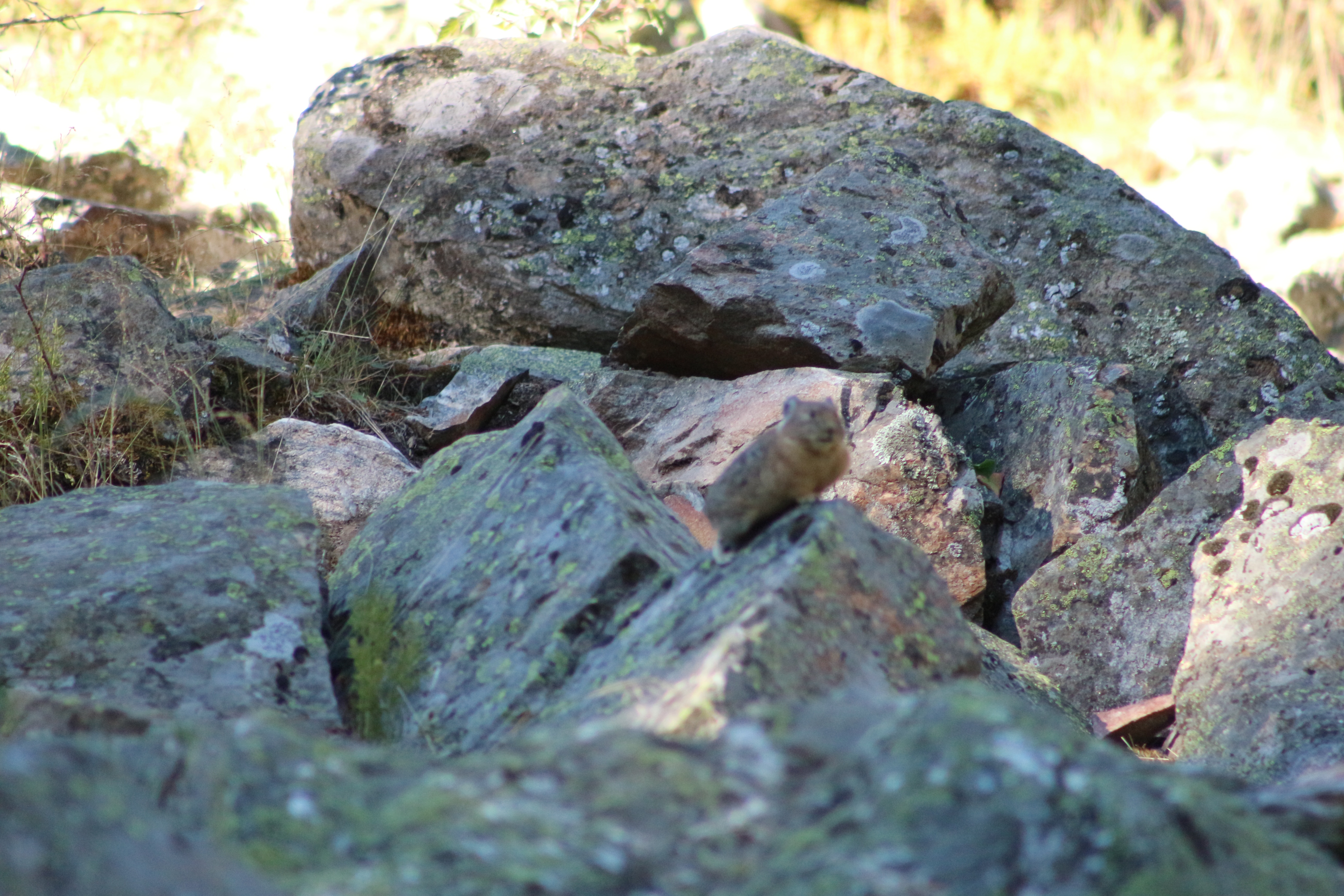
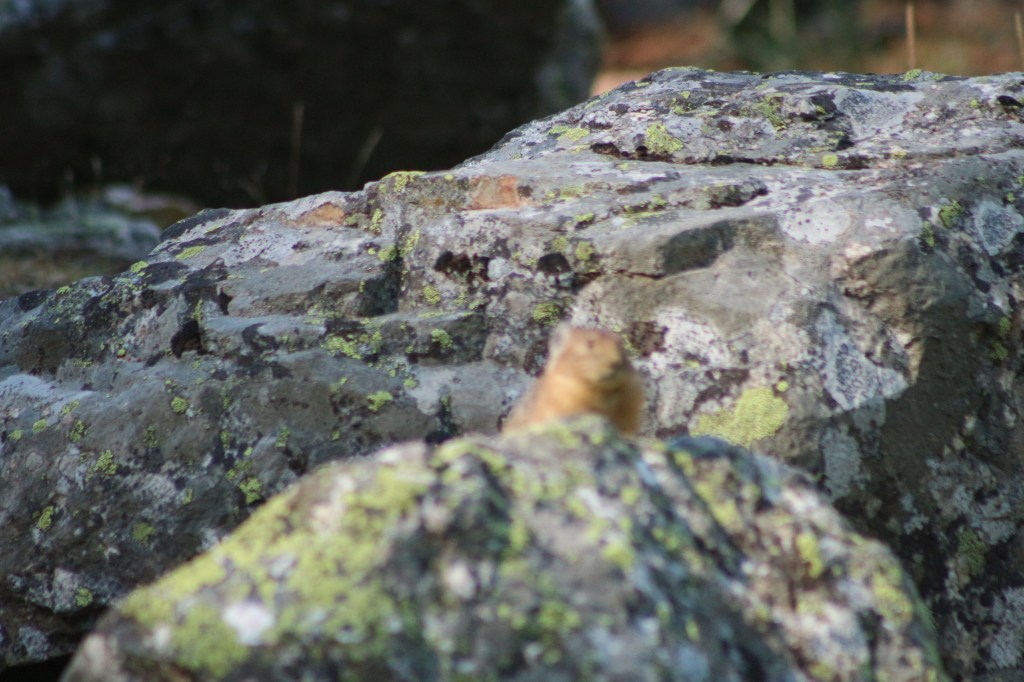
Pika poem in the works, but in the meantime, this was one of the more exciting captures of the trip, because you don’t really expect to see much in the midst of a huge pile of rocks, but when you stop and watch for awhile, you’ll catch the scurrying of the industrious pika, who always stops just long enough to tease, but never long enough for a clear picture.

SO MAJESTIC, MISTER MOOSE. Don’t you have a special affinity for the gentle giants of this earth. It’s amazing to me that there are such huge animals on this earth that only feed on vegetation and don’t harm others?
On this trip, I also learned the amazing fact that moose are very good swimmers who can hold their breath for a minute and dive up to 6 meters underwater to eat aquatic plants. WOW!
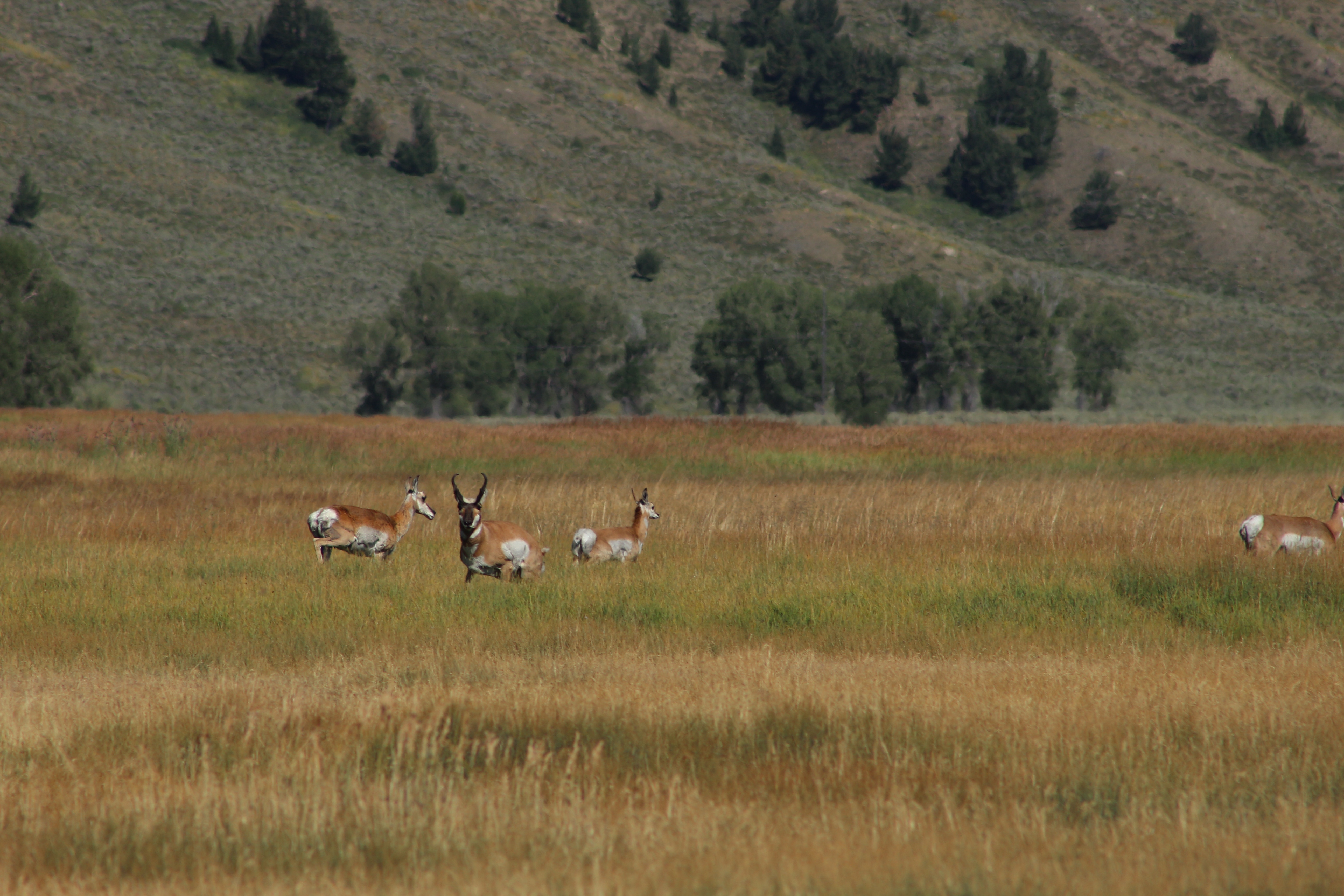
Pronghorn – I caught a glimpse of these guys from super far off at the Elk Rank and, obviously, mistook them for elk, but we spent a few minutes off the beaten track to get close enough for these clear snaps. Move out of the way, cheetahs, because pronghorn actually take the cake when it comes to speed. The fastest land mammals in North America, these guys reach speeds of 55 mph and can run at 30 mph for 20+ miles (compare that to cheetahs who reach 60 mph but can only keep up that speed for a few hundred yards)! Nature!

After seeing this magnificent creature in South Korea multiple times before, I discovered that it was the infamous magpie of folklore and fairy tales! Hard to believe these beautiful birds have accumulated such a bad reputation in certain cultures because they’re so lovely. Here are some fun facts I have learned about magpies from Speaking in Tongues by Ella Frances Sanders (a wonderful coincidence!):
“The magpie is widely considered either an ill omen or a good one depending on where you are in the world: in China, the bird is a lucky sign; in Mongolia, it is believed they have control over the weather; in Scottish folklore, they foretell death; and in German folklore, they are thieves.
Something else that elevates magpies into the ranks of the intriguing: they are one of only a few types of bird that hold funerals – when a magpie dies, others will squawk loudly until there is a whole conventicle of magpies gathered at the scene, at which point they will all fall silent for a few seconds.”

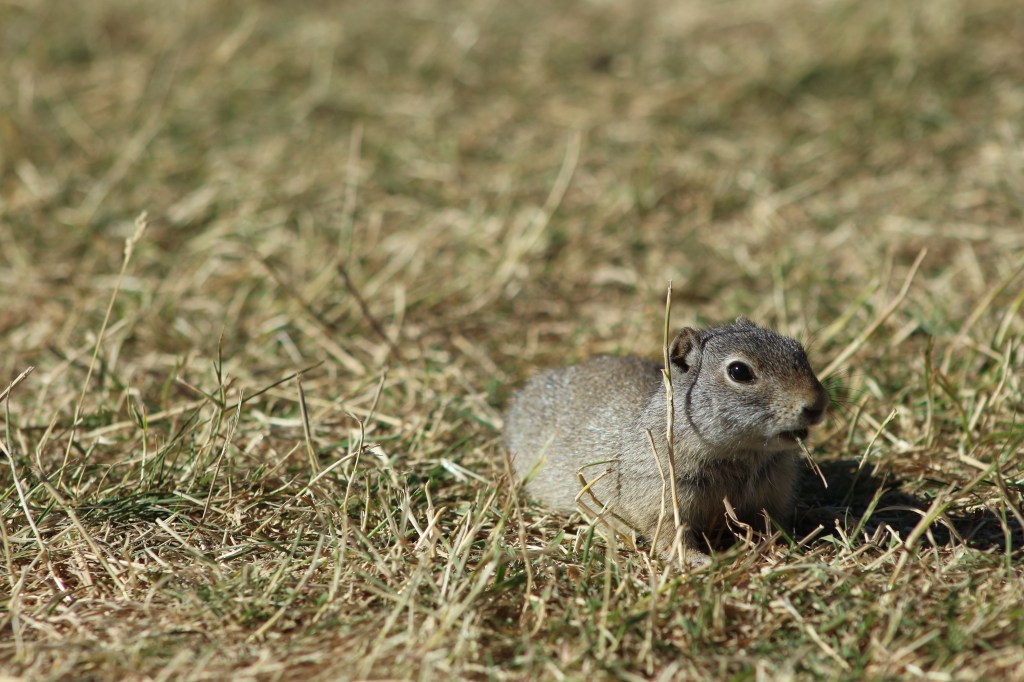
Prairie Dogs – so cute!

Even with all the majestic creatures in the world, there is nothing quite like a graceful horse grazing against the backdrop of the mighty mountains.
 gracerootsmovement